Investors
How Is a Residential Lease Pathway Different From a Purchase Timeline in Broward County?
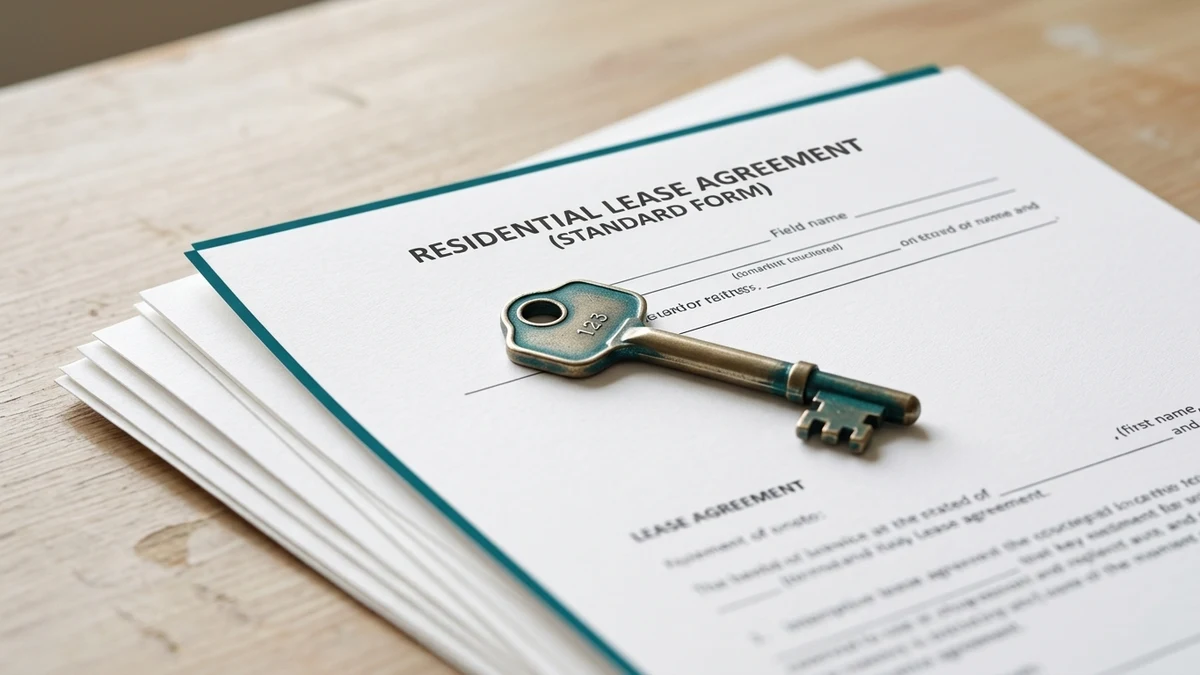
A residential lease in Broward County runs on a different clock than a home purchase. Here is what changes.
On this page
- A lease is its own process, not a faster purchase
- Screening replaces underwriting
- Move-in timing is usually faster, but less flexible
- Documentation differs from a purchase file
- A side-by-side timeline comparison
- Plan for the process you are actually in
- Bring your specific situation to a conversation
A lease is its own process, not a faster purchase
It is tempting to assume a residential lease moves like a smaller, quicker version of a home purchase. In practice, the two run on different timelines with different documentation.
Understanding the difference matters whether you are leasing out a property you own, or considering a lease yourself while you search for a Broward County purchase.
This article compares the two processes stage by stage.
Screening replaces underwriting
A purchase involves mortgage underwriting, income and asset documentation, and appraisal. A lease involves tenant screening instead.
That screening usually covers credit and background checks, income verification, and often references from prior landlords.
Application fees and screening timelines vary by property and management company, so confirm them early rather than assuming a standard timeline.
Move-in timing is usually faster, but less flexible
A lease can often close in days once an application is approved, compared to the weeks a purchase typically takes.
That speed comes with less room to negotiate terms once a lease is signed, so review the agreement carefully before you sign it.
If flexibility matters more to you than speed, factor that into whether a lease or a purchase timeline fits your situation better right now.
Documentation differs from a purchase file
A purchase file centers on the mortgage, title, and inspection. A lease file centers on the lease agreement itself and the security deposit terms.
- Credit and background check timing
- Income verification standards
- Prior landlord references, where applicable
- HOA tenant-approval requirements, if the property has one
If the property has an HOA, confirm whether the association requires a separate tenant approval process before move-in.
A side-by-side timeline comparison
Here is a general comparison of the two processes. Actual timelines vary by property and situation.
| Stage | Purchase | Residential lease |
|---|---|---|
| Approval process | Mortgage underwriting | Tenant screening and credit check |
| Typical timeline | Several weeks to closing | Often days once approved |
| Key documentation | Purchase contract, title, inspection | Lease agreement, deposit terms |
| HOA involvement | Association transfer process | Separate tenant approval, if required |
| Flexibility after signing | Contingencies before closing | Limited once the lease is signed |
Whether you are leasing out a property or leasing one yourself, confirm the specific requirements for that property rather than assuming the general pattern applies.
Plan for the process you are actually in
Treating the lease process like a purchase usually means missing a step, like an HOA tenant-approval requirement.
A little upfront confirmation saves real time once you are actually under a deadline.
Bring your specific situation to a conversation
Michelle Morrison can walk through what a lease pathway looks like for a specific Broward County property, whether you are leasing it out or considering one while you search.
- Bring the property or area you are considering
- Bring your timeline
- Bring whether you are the landlord or the prospective tenant
- Bring any HOA documents you already have
Reach her at 954-849-0509 or myrealtormich@gmail.com. That is enough to start narrowing the specifics.
This article is general orientation, not legal advice. Confirm lease terms and screening requirements with the appropriate licensed professionals.

Written by